
When planning a tropical getaway, one of the most important questions travelers ask is: when is the best time to travel to Hawaii? It sounds like a simple question, but the answer depends on much more than just weather. Hawaii is one of those destinations that feels inviting year-round, yet each season offers a noticeably different experience.
From pricing and crowd levels to surf conditions and island-specific weather patterns, timing your trip correctly can completely change how your vacation feels. Some travelers want sunshine and calm waters, while others are looking for whale watching, cultural events, or simply fewer crowds.
If you are trying to determine when is the best time to travel to Hawaii, the key is understanding how each season shapes the islands differently and aligning that with what you want out of your trip.

Understanding Hawaii’s Year-Round Climate
One of the reasons Hawaii is such a popular destination is its consistently warm climate. Unlike Las Vegas or other mainland destinations, Hawaii does not experience extreme seasonal swings. Temperatures remain relatively stable throughout the year, typically ranging from the mid-70s to mid-80s.
According to the National Oceanic and Atmospheric Administration, Hawaii’s climate is influenced by trade winds, ocean currents, and elevation differences across the islands. This creates microclimates, meaning one side of an island can be sunny while another experiences rain.
Because of this, the question of when is the best time to travel to Hawaii is less about temperature and more about factors like rainfall, crowd levels, and seasonal activities.
Spring in Hawaii: A Calm and Comfortable Window
Spring is often one of the most underrated times to visit Hawaii. From April through early June, the islands offer a balance that many travelers find ideal.
The weather is warm, the rainfall begins to decrease compared to winter months, and the crowds from peak travel seasons start to thin out. This creates a more relaxed environment where you can enjoy beaches, hiking trails, and local attractions without feeling overwhelmed.
For travelers wondering when is the best time to travel to Hawaii for both comfort and value, spring is often a strong contender. Prices for flights and accommodations can be more reasonable compared to peak winter and summer seasons.
This time of year also feels less rushed. You can take your time exploring places like Waikiki Beach or driving scenic routes without constantly navigating heavy crowds.
Summer in Hawaii: Sunshine and Peak Travel Season
Summer is one of the most popular answers to when is the best time to travel to Hawaii, especially for families and travelers looking for predictable weather.
From June through August, Hawaii experiences its driest and sunniest conditions. The ocean is typically calmer on many shores, making it ideal for swimming, snorkeling, and beach activities.
Destinations like Hanauma Bay become especially popular during this time due to their clear waters and marine life visibility.
However, with ideal conditions comes increased demand. Summer is peak travel season, which means higher prices and larger crowds. Beaches, resorts, and attractions can feel busier, especially in well-known areas.
If you prioritize perfect beach weather and do not mind sharing the experience with more visitors, summer can be the best answer to when is the best time to travel to Hawaii.
Fall in Hawaii: One of the Best Kept Secrets
Fall is often considered one of the best times to visit Hawaii, even though it receives less attention than other seasons. From September through early November, the islands offer warm weather, fewer crowds, and more favorable pricing.
This period comes after the summer rush, so many tourists have already left. The result is a quieter, more relaxed atmosphere that allows you to experience Hawaii in a more personal way.
For many experienced travelers, fall is the true answer to when is the best time to travel to Hawaii. You still get excellent weather, but without the peak-season pressure.
This is also a great time to explore less crowded areas like Na Pali Coast, where the natural beauty feels even more immersive when fewer people are around.
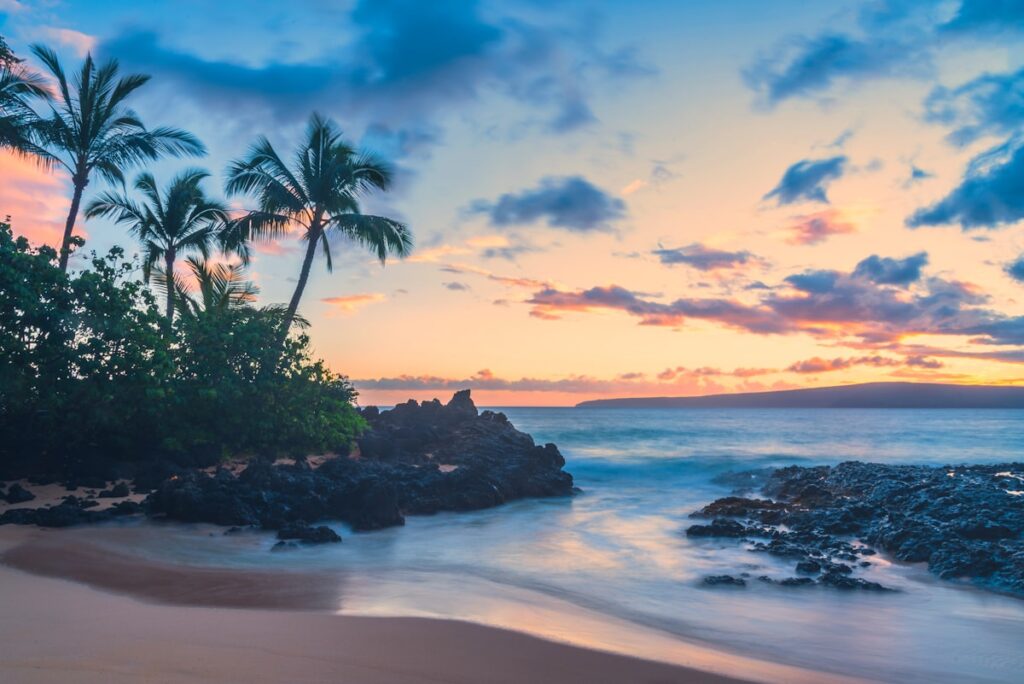
Winter in Hawaii: Whale Watching and Peak Demand
Winter offers a completely different experience in Hawaii. From December through March, the islands see an increase in visitors, particularly around the holidays.
One of the biggest draws during this time is whale watching. Humpback whales migrate to Hawaiian waters during the winter months, creating opportunities to witness one of nature’s most impressive spectacles.
Areas like Lahaina become popular spots for whale watching tours, attracting travelers from around the world.
However, winter is also one of the most expensive times to visit Hawaii. Holiday travel drives up demand, and accommodations can fill quickly. Additionally, certain areas may experience higher rainfall, particularly on the windward sides of the islands.
For travelers specifically interested in whale watching or holiday travel, winter may be the best answer to when is the best time to travel to Hawaii.
How Crowds and Pricing Influence Your Decision
When deciding when is the best time to travel to Hawaii, it is important to consider not just the weather, but also the cost and crowd levels.
Peak seasons, such as summer and winter holidays, bring higher prices and more crowded environments. Off-peak seasons, like spring and fall, offer a more relaxed experience and often better value.
Travel tools like Google Flights and Kayak can help identify pricing trends, but understanding seasonal patterns gives you a clearer advantage when planning.
Choosing the right balance between cost, comfort, and atmosphere is key to making the most of your trip.
Island Differences That Affect Timing
Another factor to consider when deciding when is the best time to travel to Hawaii is that each island offers a slightly different experience.
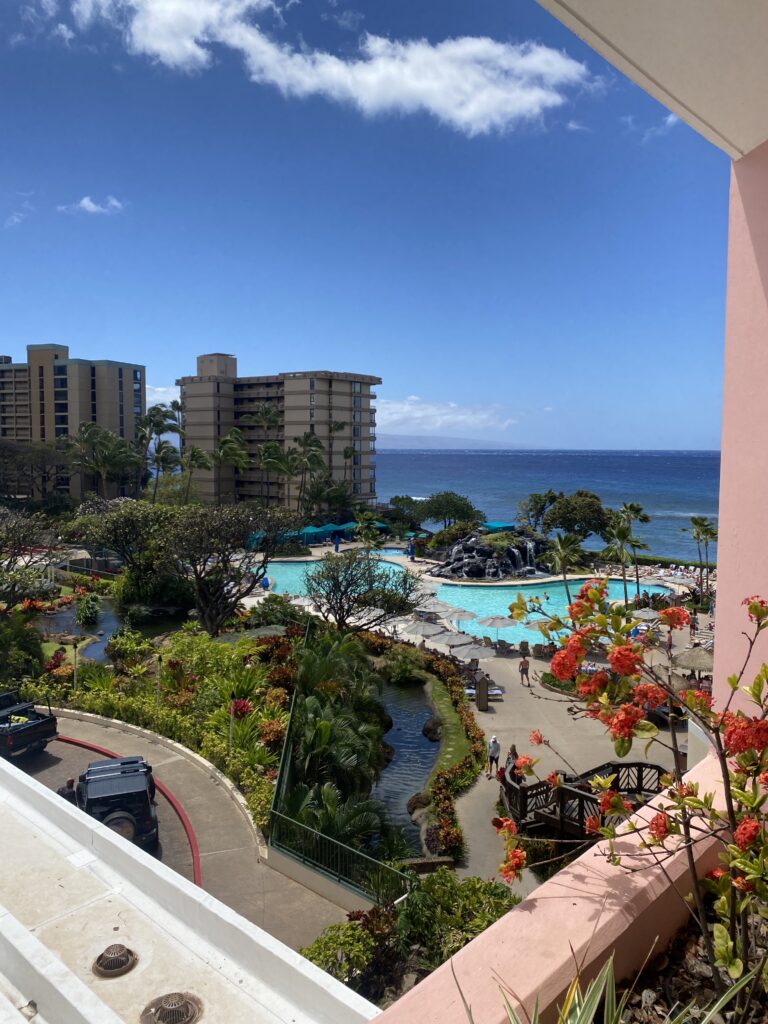
Oahu tends to be more active and urban, with a mix of beaches, nightlife, and cultural attractions. Maui offers a balance between relaxation and adventure, while Kauai is known for its natural beauty and slower pace.
These differences can influence when you choose to visit. For example, if you are focused on outdoor exploration and hiking, certain times of year may be more favorable depending on rainfall and trail conditions.
Understanding these nuances helps you plan a trip that feels aligned with your expectations rather than relying on a general answer.
First-Time Visitors vs Returning Travelers
If it is your first time visiting Hawaii, you may want to prioritize seasons that offer the most balanced experience. Spring and fall are often ideal for this, as they provide comfortable weather, manageable crowds, and good overall value.
Returning travelers may be more flexible. If you have already experienced the main attractions, you might choose to visit during a quieter season or plan your trip around specific activities like whale watching or surfing.
This flexibility allows you to tailor your experience more precisely, making each visit feel unique.
Final Thoughts on When is the Best Time to Travel to Hawaii
So, when is the best time to travel to Hawaii? The answer ultimately depends on what you are looking for. Hawaii offers something special in every season, whether it is the calm and value of spring, the sunshine of summer, the quiet beauty of fall, or the unique experiences of winter.
By understanding how weather, crowds, pricing, and seasonal activities all interact, you can choose a time that aligns with your travel goals.
Super Nova Travel US helps travelers navigate these decisions with clarity, ensuring each trip to Hawaii is thoughtfully planned and tailored to create the best possible experience.